Research
How do people combine information, recognise patterns and make decisions under uncertainty? I study these questions through behavioural experiments and mathematical models. The aim is to explain the processes behind a response, as well as to measure how accurately or quickly it was made.
My work connects workload capacity in teams, perceptual measurement and computational methods for testing cognitive theories. Human–AI collaboration provides one setting for these questions: how does coordination affect performance, and what information helps a person judge an AI prediction?
The projects below describe published findings, current manuscripts and research software. Each page sets out the question, the approach and what the evidence currently supports.
Human-AI Collaboration
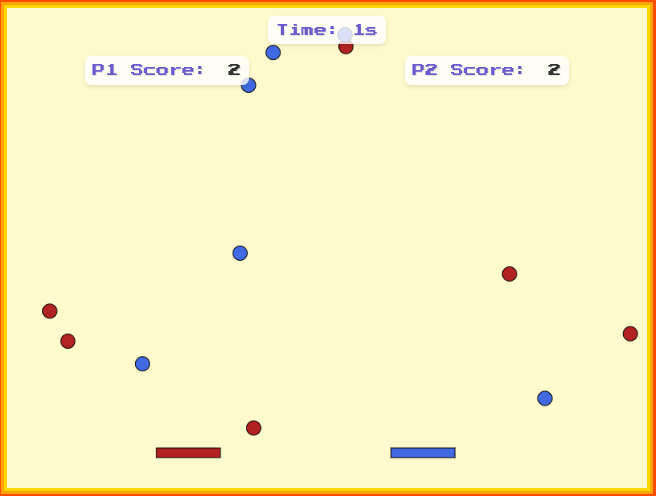
Measuring Performance in Human and Human–Machine Teams
PublishedWorkload-capacity analysis compares team performance with an independent-player benchmark, revealing coordination costs that raw scores can miss.
Machine Metacognition: Estimating Neural-Network Uncertainty
Under ReviewCan the neighbourhood around an image in a network’s learned representation add useful information about the reliability of its prediction?
Cognitive Modeling & Decision Science
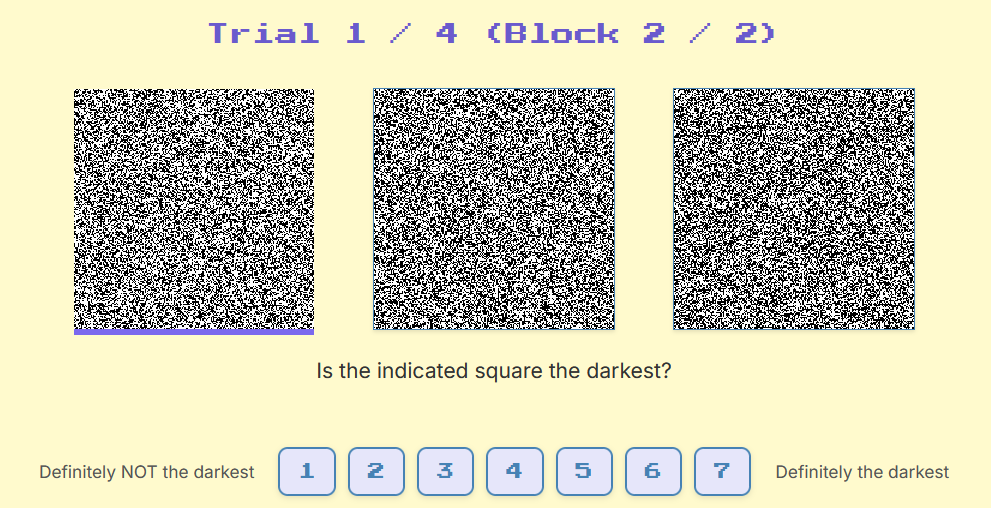
Do Choices and Ratings Measure the Same Thing?
PublishedA perceptual experiment uses Bayesian model comparison to test whether choosing an option and rating it draw on a shared internal representation.
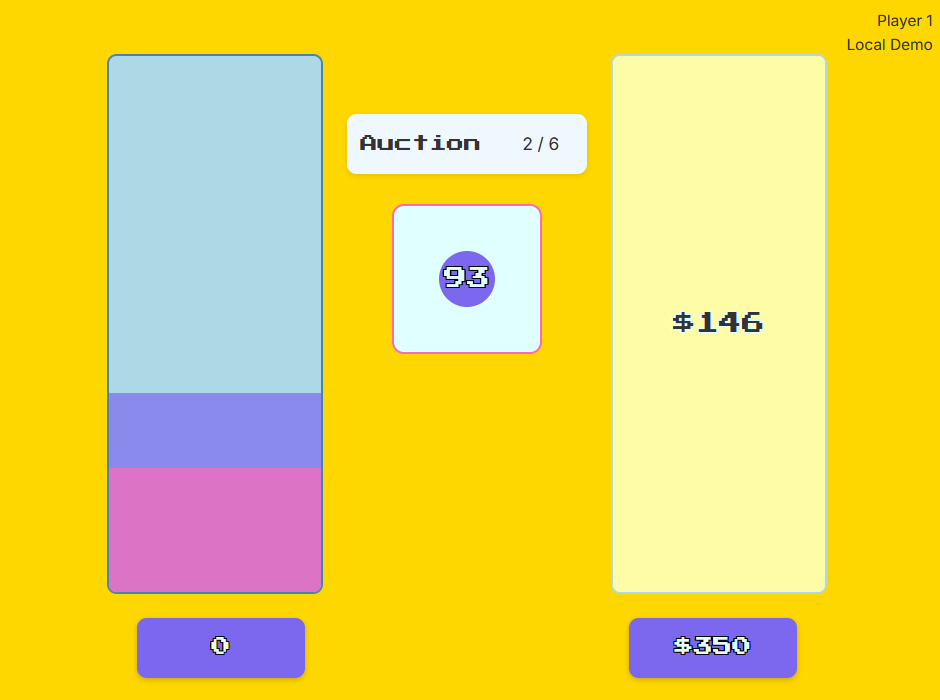
Competitive Decision Making in Dutch Auctions
PublishedGroup experiments test how a falling price shapes bidding; a preliminary prospect-theory model describes the decision to bid now or keep waiting.
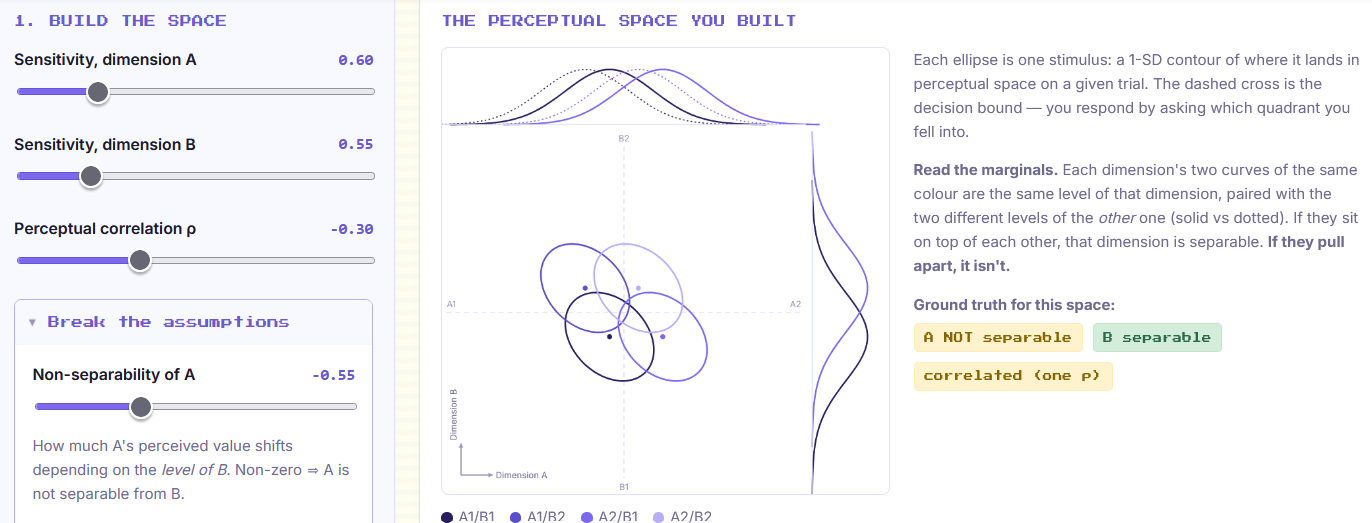
GRIN: Inference for General Recognition Theory
In ProgressAn implemented research tool uses simulation-based inference to estimate perceptual parameters from identification counts.
Perception & Applied Vision

Measuring Perceived Features of Melanoma Images
Under ReviewPairwise judgments and a perceptual model provide human feature estimates that can be compared and combined with computer-vision measurements.
How Experience Shapes Numeral Recognition
PublishedConfusion patterns and cognitive models help compare the perceived similarity of familiar and unfamiliar numerals in two language groups.